Introduction
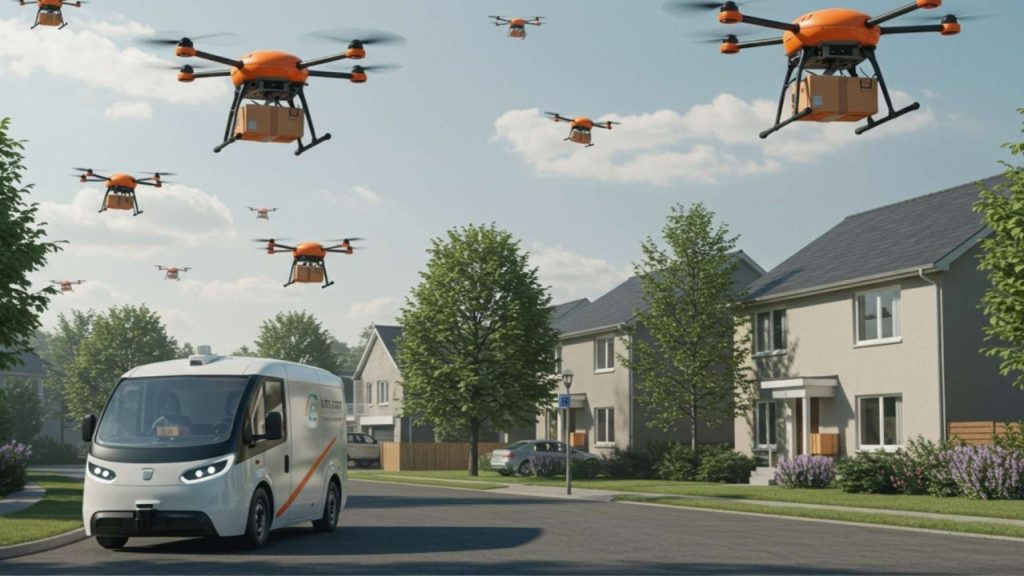
The rapid advancement of technology has led to the emergence of drone delivery systems, presenting unique opportunities for urban logistics. By integrating drone delivery into a city’s infrastructure, municipalities can enhance efficiency, reduce traffic congestion, and provide a faster service to residents.
Benefits of Drone Delivery
1. Increased Efficiency
Drones can significantly reduce the time it takes for packages to reach consumers. With the ability to fly directly to a destination, they can bypass the constraints of road traffic and logistical delays associated with conventional delivery vehicles.
2. Environmental Impact
Drone delivery systems can contribute positively to the environment. Many drones are designed to operate using electric power, leading to lower carbon emissions compared to traditional delivery methods that rely heavily on fossil fuels. This shift could support a city’s goals for sustainability and environmental improvement.
3. Cost Reduction
In the long run, drone deliveries may lower operational costs for delivery companies. By minimizing staffing needs and reducing fuel costs, businesses can offer competitive pricing while improving their bottom line. Ultimately, these savings can be passed on to consumers.
Infrastructure Requirements
1. Air Traffic Management
To seamlessly integrate drones into urban airspace, an advanced air traffic management system specifically for drones must be established. This system would help regulate air traffic, ensuring safe operation while minimizing the risk of accidents.
2. Designated Landing Zones
Creating designated landing zones for drones is crucial. These zones would need to be strategically placed throughout the city, including areas near residential blocks, commercial hubs, and transit stations. Careful planning will ensure easy access for consumers while maintaining pedestrian safety.
3. Regulatory Framework
An effective regulatory framework is essential for the safe integration of drone deliveries. City officials must collaborate with regulatory agencies to establish guidelines and best practices that address issues such as flight paths, noise restrictions, and privacy concerns.
Challenges to Overcome
1. Public Perception
Public acceptance will be one of the largest hurdles to overcome. Residents may have concerns about noise pollution, safety, and privacy violations. Open communication, community testing, and educational programs may help alleviate these fears.
2. Technological Limitations
Current drone technology, while advanced, still faces limitations such as battery life, payload capacity, and range. Continuous improvements and innovations will be required to make drone delivery systems a viable option for urban logistics.
Conclusion
Integrating drone delivery into a city’s infrastructure presents numerous benefits, including increased efficiency, reduced environmental impacts, and cost savings. However, careful planning, robust regulatory frameworks, and public education will be necessary to address the challenges associated with this innovative logistics solution. By doing so, cities can pave the way for a smarter and more efficient urban future.